
#hotpoirot
An unexpected hashtag

Scrub my post from a couple of weeks ago, in which I wrote that Hercule Poirot had become the middle-aged actor’s bridging role between Hamlet and Lear, and rather quaintly suggested the under-the-radar-superb Michael Maloney for the BBC reboot.
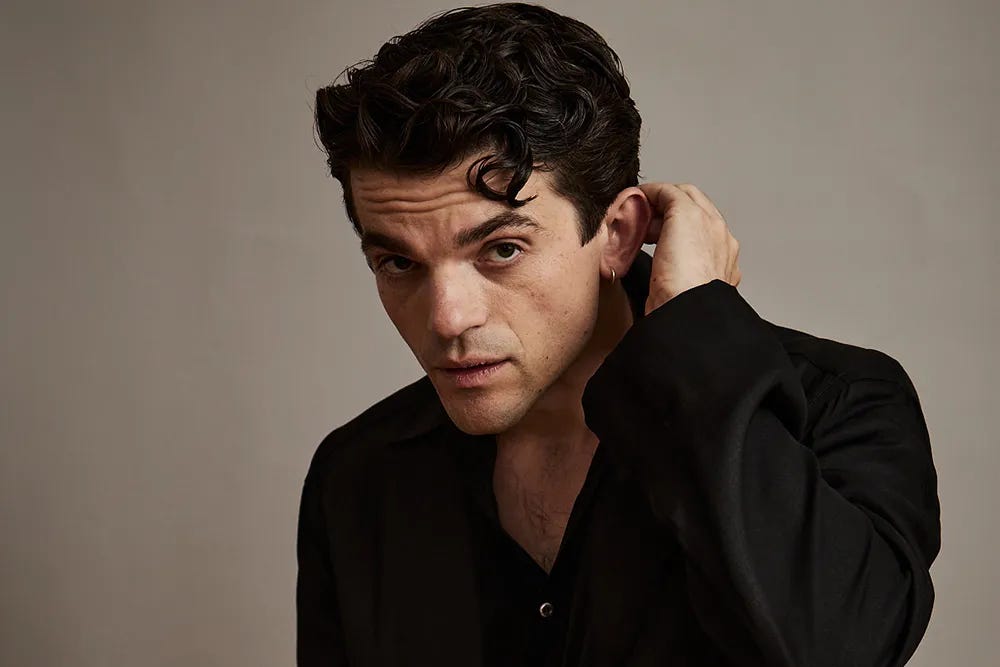
Something entirely different has been planned, as you will now know. In a left-field move, deftly sidestepping the musings of people like me, the BBC has announced a new series called Hercule; the old fellow will be played by 33-year-old Edward Bluemel, whose publicity pic does that smouldering-up-through-the-eyelashes thing favoured by attractive young actors. Hence the title of this post. The hashtag really does exist, along with (as my researches reveal) a certain amount of ‘Poirot is ripped and I’m here for it’ stuff.
Yes indeed! It is Poirot the Origin Story: the arrival in England as a Belgian refugee, the early friendship with the ineffable Captain Hastings, the first meetings with Scotland Yard’s Japp. Who knows, in pursuit of #hotness he may even not have a moustache; perhaps it will be grown in order to cover a scar acquired in a duel with Hastings over Miss Lemon, played by Ana de Armas. In any event I anticipate hefty servings of moules au révisionnisme, plus a substantial side order of frites à la xénophobie. The BBC press material describes the series as ‘an intimate study of Hercule the man and an epic portrait of Britain between the wars’, which promises/ threatens to ‘take a magnifying glass to three of Christie’s most celebrated stories’ - as yet unspecified, although one assumes this first appearance:
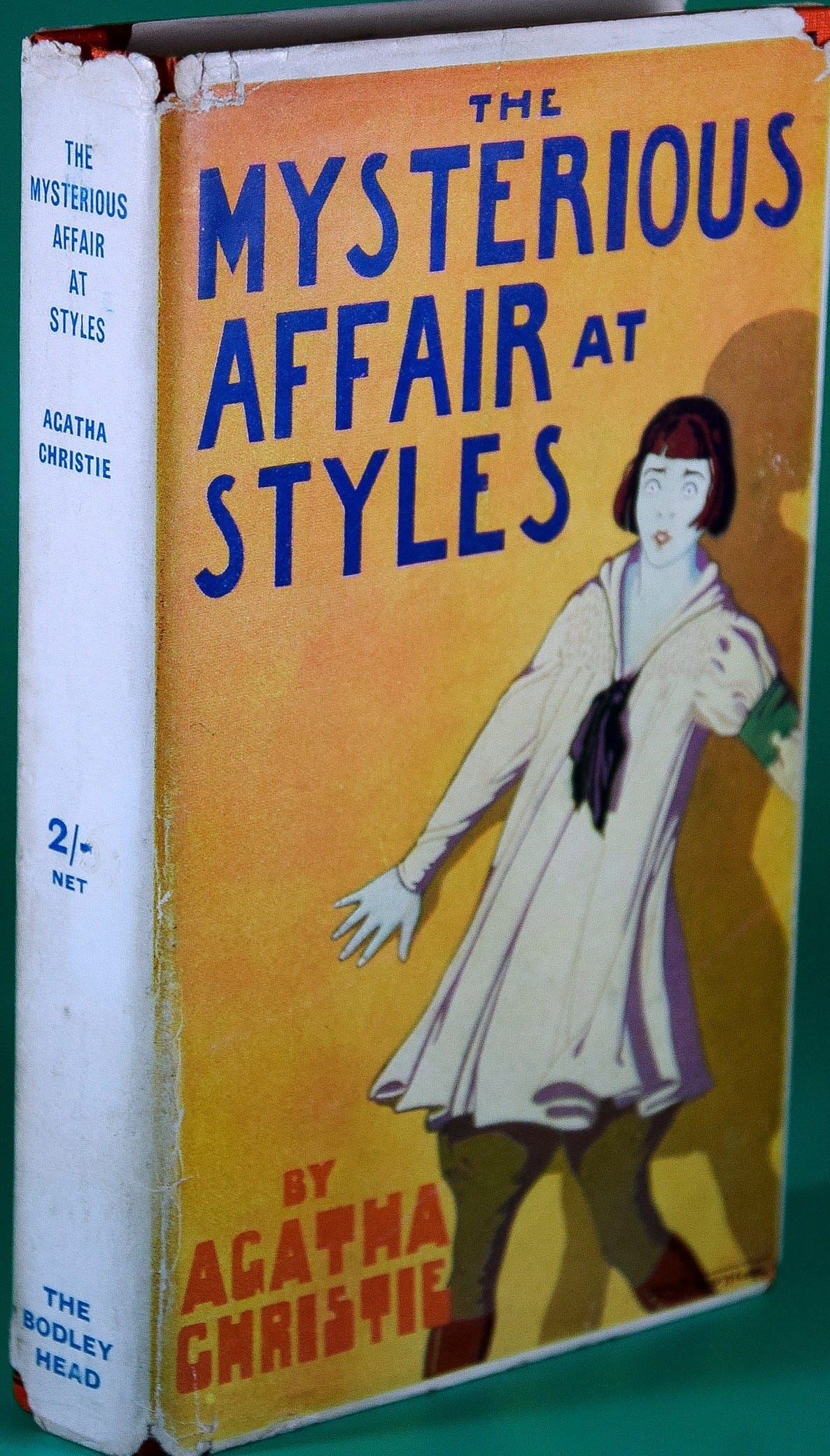
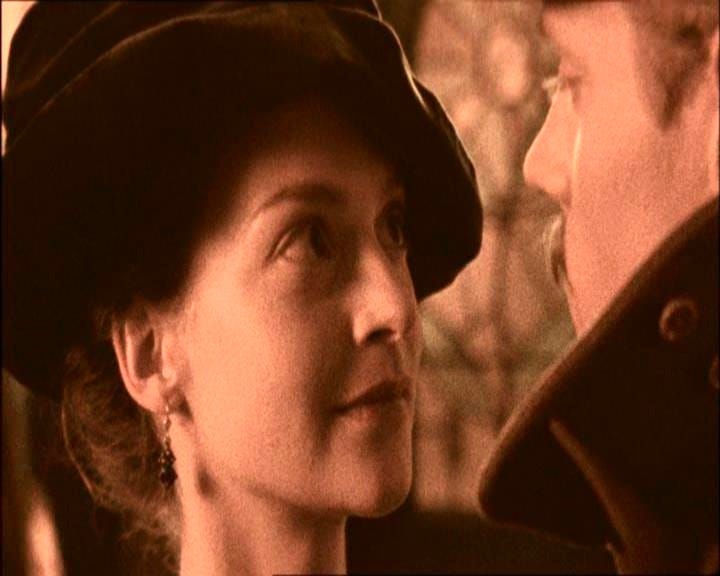
Well: it is probably better than plastering vaguely modernized adaptations on top of the Suchet versions. It is a clever idea, in fact, at least in terms of hashtag-generation and TikTokery (my researches also revealed that some Gen Zers have never actually heard of Poirot). And it was fairly predictable, although not by me, after the success of Young Sherlock. Indeed the screen Christies themselves had been early adopters of the origin story concept: back in 2004, the Miss Marple played by Geraldine McEwan was given a ‘past’, in the form of flashbacks to a doomed love affair with a married man killed in the First World War.
At the time I was researching my Agatha biography, and found among her papers what seemed a peculiarly apt letter from the lady herself in 1970, in reply to a man who was writing a ‘life’ of Miss Marple. ‘‘Miss Jane Marple does not exist in the flesh and never has’, her creator informed him robustly. ‘If you know “the career of Miss Marple” from childhood upwards, you know more than I do!’
As I put it in my own book:
Of course the books make it perfectly clear that nothing has ever happened to Miss Marple. Everything happens around her, and this is the point: she has become wise through observation, not through experience.
But the idea of innate wisdom is a hard one for the modern world to grasp. So it is that when, in the most recent adaptation of The Murder at the Vicarage, Miss Marple realizes that the crime was motivated by thwarted passion, she does so not because she is wise but because she recognizes the situation. She empathizes. She has been there.
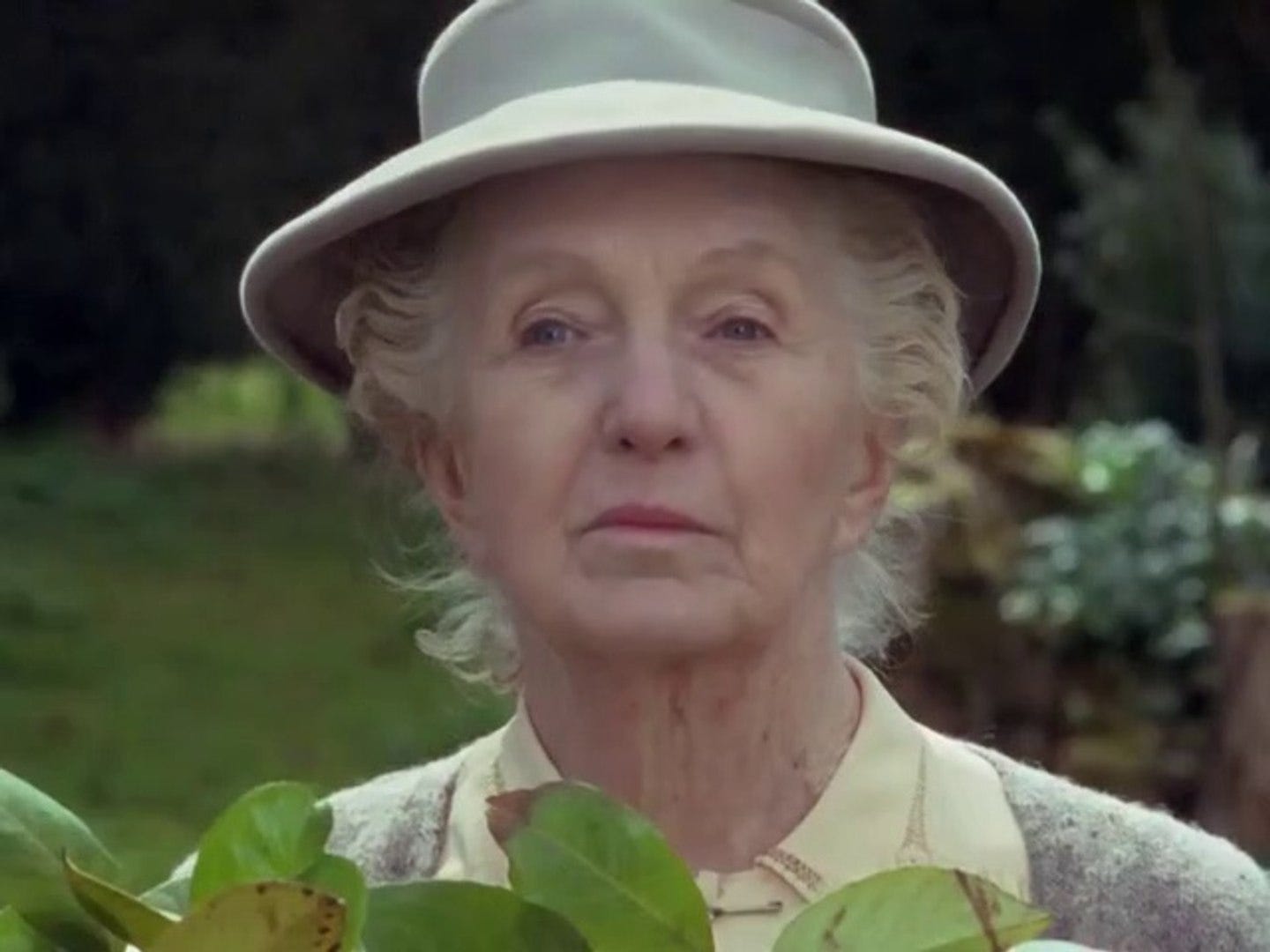
Back in the 1980s, when Joan Hickson played Miss Marple on BBC Television with a definitive, detached compassion, she could judge and still be magnificently human; but the intervening years have changed a great deal, including our relationship with Agatha Christie….
That said - and notwithstanding Agatha’s own unarguable words - Miss Marple has a ‘felt’ quality; she occupies a place within a near-vanished but accurately-conjured society. She could be a character in Barbara Pym, even Jane Austen. It is a category error to create that particular back story - the one that gives her understanding through suffering - but it is not wholly unreasonable that she should be ‘fleshed out’. Poirot, on the other hand… I have written elsewhere that I see Poirot as a sketch, an essence; that something of his sexless cosmopolitan charm is actually lost, when the shifting gaps within his manifestation on the page are painstakingly coloured in.
Likewise with his creator. The idea of a ‘magnifying glass’ being applied to those quick, light, distilled, almost absurdly satisfying stories feels odd, like staging a Frederick Ashton ballet as if it were by Kenneth Macmillan; as much as anything it is Agatha Christie’s speed upon the page that entrances. She is an author who innately repels the deep-dive, which is why in my youth she was regarded as no more than a purveyor of ‘animated algebra’. My 2007 biography was impelled by an urge to dispel that notion, but now I find myself almost nostalgic for it, so ponderous has become the scavenging for subtext. I have never been able to abide productions of Hamlet that seek to ‘explain’ why the title character does not immediately kill Claudius (how about: because the play doesn’t want him to). Picking apart the non-existent psychology of Hercule Poirot feels, therefore, frankly outlandish; although it goes without saying that I am not Hercule’s target audience, I am just an Agatha super-fan whose views can safely be ignored.
And I find myself thinking about a passage that I particularly love in a particularly beloved novel, Muriel Spark’s Loitering with Intent. The protagonist and one of her friends are listening to a splendid aged lady called Lady Edwina, who is recalling for them the conception of her frightful son, Sir Quentin. Her reminiscences are so elliptical and convoluted that:
we were fairly in the air as to Quentin’s parentage, and we left Edwina’s story at that, all charming as it was and unspoiled by explanations.
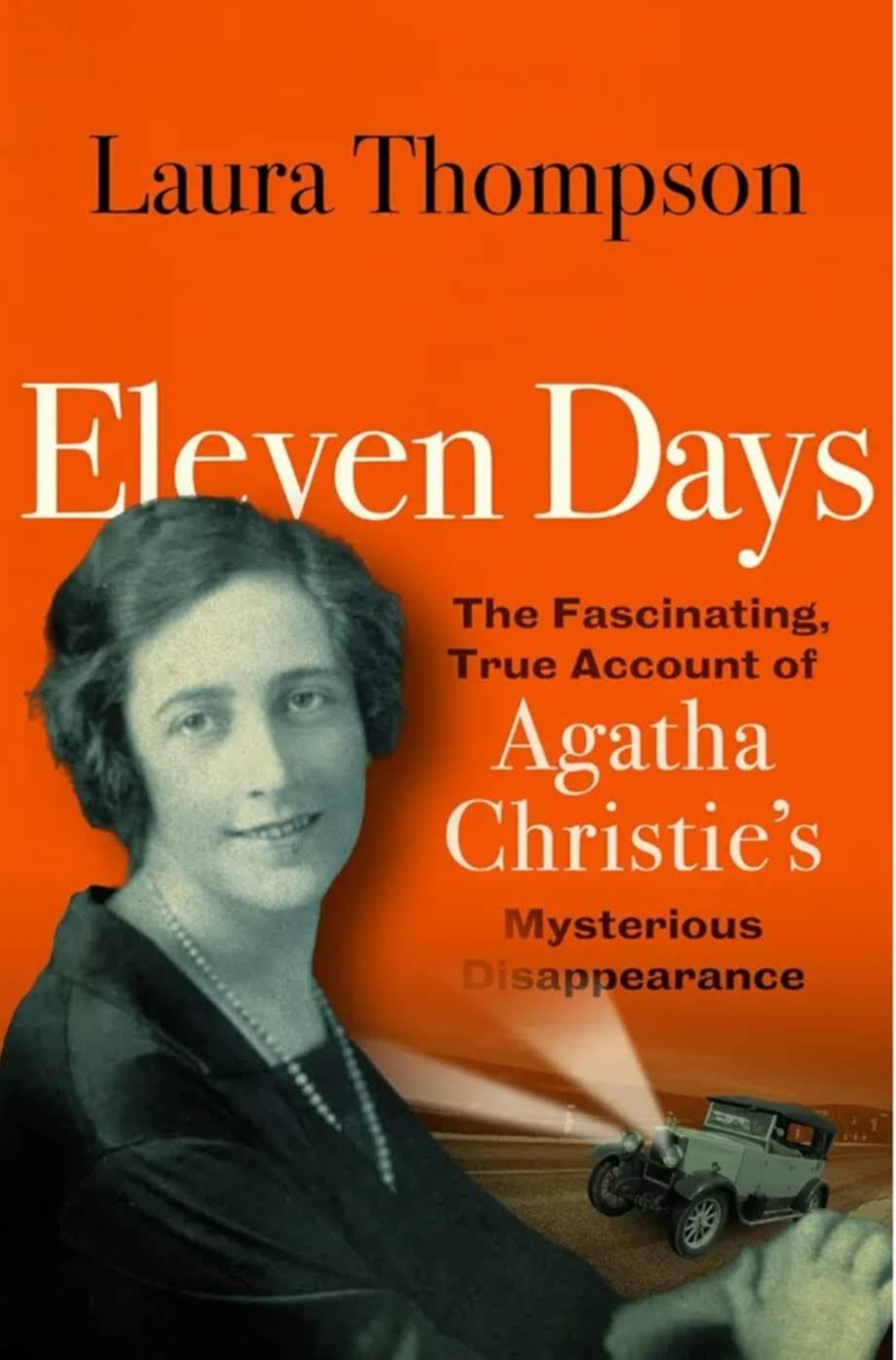
That phrase, ‘unspoiled by explanations’ - what joy it contains. And how appropriate, in its way, to the spare clear writing of Agatha Christie. My new little book about her, Eleven Days, details the 1926 publication of The Murder of Roger Ackroyd, about which I write:
Roger Ackroyd is one of the handful of Christie novels – along with Orient Express, The ABC Murders and And Then There Were None – that have an expressionist quality, as if the book bleeds outwards from the stark, concentrated heart of its solution. They are translucent texts; utterly mysterious because so clear.
The truly radical thing would be to adapt her books for screen as well as possible, pretty much as they are written. Fresh, but not meaninglessly modern. Enlivened, but not tricksy. Simple, but not simplistic. And, although not cravenly faithful, always truthful. (Truth is so hard to come by where Agatha is concerned).
Of course that was never going to happen, because television at the moment is addicted to dancing endless jigs around the maypoles of IPs, with the notion of ‘meta’ now as predictable and manipulable as the mother-in-law jokes of my childhood.
I have to say that I rather long for this era to end.
(Astounded there was another Eleven Days when I went to order yours: it seemed such a unique title. Am very much looking forward to reading it.)
But, yes, to everything you have written here. I particularly enjoyed “repels the deep-dive” and wish it would cease in my own sphere of food and cooking. I scream, internally, at the ever-increasing plethora of food books predicated on grief, trauma, divorce and, just as irritatingly, migrational antecedents. Although I am being slightly hypocritical — I find it very difficult to cook when I’m sad — there’s just too much introspective soul-searching these days. Sometimes the superficial — does it taste good or read well — is fine.
Good morning Laura. My first reaction was ‘Oh God, here we go again’. But as long as it’s not the awful Phelps woman doing the butchery, it might be quite entertaining. Whatever happens, I still have the books and the incomparable Suchet interpretations (which come out well from Mark Aldridge’s ‘Poirot: The greatest detective in the world’). Thank you, as always, for another fascinating post.